CONSOWA 2017 · Lleida, Spain
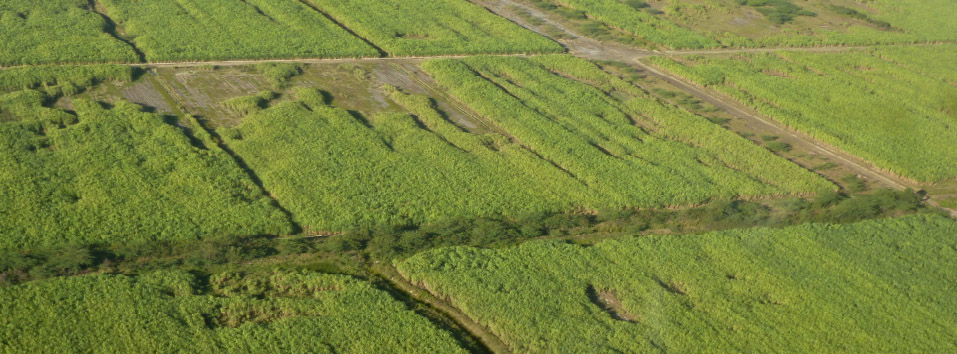
The conference offered two field trip opportunities — one before the main program and one after — allowing participants to explore the surrounding landscapes and soil conservation sites of the Lleida region.
Field trips were managed by J. Carles Balasch.
| Field Trip | Pre-Paid Registration Deadline |
|---|---|
| Pre-Conference Field Trip | 15 February 2017 |
| Post-Conference Field Trip | 15 March 2017 |
Field Trip Coordinator
J. Carles Balasch — responsible for organizing and overseeing both the pre-conference and post-conference excursions.
For general conference inquiries: fundacio@consowalleida2017.com
See also: Scientific Program
Paddleboarding offers a full-body workout that engages the core, legs, and arms while you glide across calm waters. Unlike many high-impact sports, stand-up paddleboarding is gentle on the joints, making it accessible to a wide range of fitness levels. The sport improves balance, strengthens stabilizing muscles, and provides an excellent cardiovascular challenge. Many enthusiasts find that paddling through serene bays or along quiet coastlines becomes a meditative experience as much as a physical one. The low-impact nature of the activity means participants can enjoy longer sessions without the fatigue associated with more strenuous exercise, allowing for a rewarding workout that also connects them to the surrounding environment.
Finding the right location can transform a paddleboarding outing from enjoyable to unforgettable. Sheltered bays with calm, warm waters provide ideal conditions for beginners learning to balance and steer. Destinations with gentle currents and minimal boat traffic allow new paddlers to build confidence at their own pace. Experienced riders may seek out more challenging open waters where wind and small waves test their skills. Popular locations often feature stunning coastlines, turquoise waters, and abundant marine life visible through the clear surface. Whether exploring mangrove channels or gliding across glassy lakes, the choice of destination dramatically shapes the paddleboarding experience, with each environment offering its own unique rewards and challenges.
Surfing culture extends far beyond riding waves, encompassing a deep appreciation for the ocean and its rhythms. Surfers develop an intimate understanding of tides, swells, and weather patterns that influence wave quality throughout the year. This connection to the natural world fosters a sense of stewardship for coastal environments. Many surfing communities emphasize respect for the ocean and fellow riders, passing down unwritten rules about wave priority and beach etiquette. The sport attracts people from all walks of life who share a common passion for the feeling of catching a wave at just the right moment. This shared experience creates bonds that transcend age, background, and skill level.
Selecting the appropriate board is essential for both enjoyment and progress in paddleboarding. Wider boards offer greater stability for beginners and those practicing yoga or fishing on the water. Longer boards track straighter and glide more efficiently across distances, making them ideal for touring and exploration. Narrower boards respond more quickly to paddler input, suiting those focused on speed or surfing small waves. Inflatable boards provide convenient storage and transport without sacrificing performance, while rigid boards deliver superior responsiveness in varied conditions. Trying different board shapes and sizes helps paddlers discover what suits their preferred style of paddling, body type, and the typical conditions they encounter on the water.
Coastal erosion presents a growing challenge for many beloved surfing and paddling destinations around the world. Naturally occurring processes combine with human activity to reshape shorelines, affecting wave patterns and beach access. Rising sea levels and changing storm patterns accelerate these changes, prompting coastal communities to adapt their approaches to shoreline management. Some regions implement dune restoration projects and living shorelines that use native vegetation to stabilize sand. Others construct artificial reefs designed to protect beaches while potentially improving wave quality. Surfers and paddleboarders often become advocates for coastal preservation, recognizing that the health of the beaches they enjoy depends on thoughtful stewardship of these dynamic and fragile environments.